
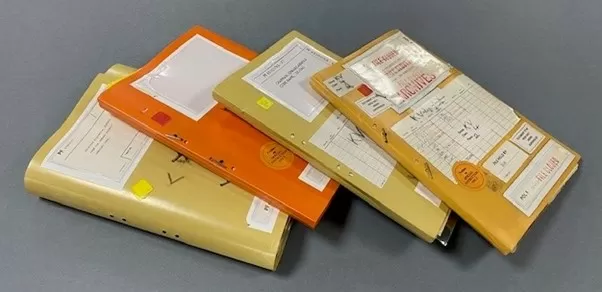
The digitisation of documents has revolutionised the way we access and preserve important historical records. In a significant step towards preserving our nation’s history, the Cabinet Office has recently released 200 files from the administrations of Tony Blair, Margaret Thatcher, and John Major. These files, previously retained by the Prime Minister’s Office, have now been digitised and will soon be available for public search through the Cabinet Office’s online catalogue.
This release marks a major milestone in our efforts to make historical records more accessible and transparent. The digitisation of these files will not only preserve them for future generations but also make them easily searchable and available for research purposes. It is indeed a commendable effort by the Cabinet Office to promote openness and transparency in government affairs.
The files cover the tenure of three prominent British Prime Ministers, namely Tony Blair, Margaret Thatcher, and John Major. Each of these leaders has played a significant role in shaping the political landscape of the United Kingdom. The release of their files will provide a valuable insight into their policies, decision-making processes, and the challenges they faced during their tenure.
The digitisation of these files is a time-consuming and meticulous process that requires a team of experts and advanced technology. The Cabinet Office has invested significant resources and effort in this project to ensure that the files are digitised with utmost accuracy and efficiency. This is a testament to their commitment to preserving our nation’s history and making it accessible to the public.
One of the most significant advantages of digitisation is the ease of access and searchability. The files will be available for search through the Cabinet Office’s online catalogue, making it easier for researchers, historians, and the general public to find and access specific information. This will save valuable time and effort, which would otherwise be spent sifting through physical files and documents.
Moreover, the digitisation of these files will also promote transparency in government affairs. The public will now have access to previously retained files, providing a more comprehensive understanding of the decision-making processes of past administrations. This will foster a culture of openness and accountability, which is crucial for a healthy democracy.
The release of these digitised files will also benefit future generations by preserving our nation’s history in a more accessible and sustainable manner. The fragile physical files will no longer be at risk of damage or loss, and the digitised versions will serve as a permanent record of our country’s political history.
The Cabinet Office’s efforts in digitising these files are certainly commendable and in line with the government’s commitment to promoting digitalisation and innovation. It is a step towards a more efficient and transparent government, and we can expect to see more such initiatives in the future.
In conclusion, the digitisation of 200 files from the Cabinet Office, covering the administrations of Tony Blair, Margaret Thatcher, and John Major, is a significant achievement that deserves recognition. It will make historical records more accessible and promote transparency in government affairs. The Cabinet Office must be applauded for their efforts in preserving our nation’s history and making it available for research and public access. We look forward to the release of these files on the online catalogue and the valuable insights they will provide into our country’s political history.