
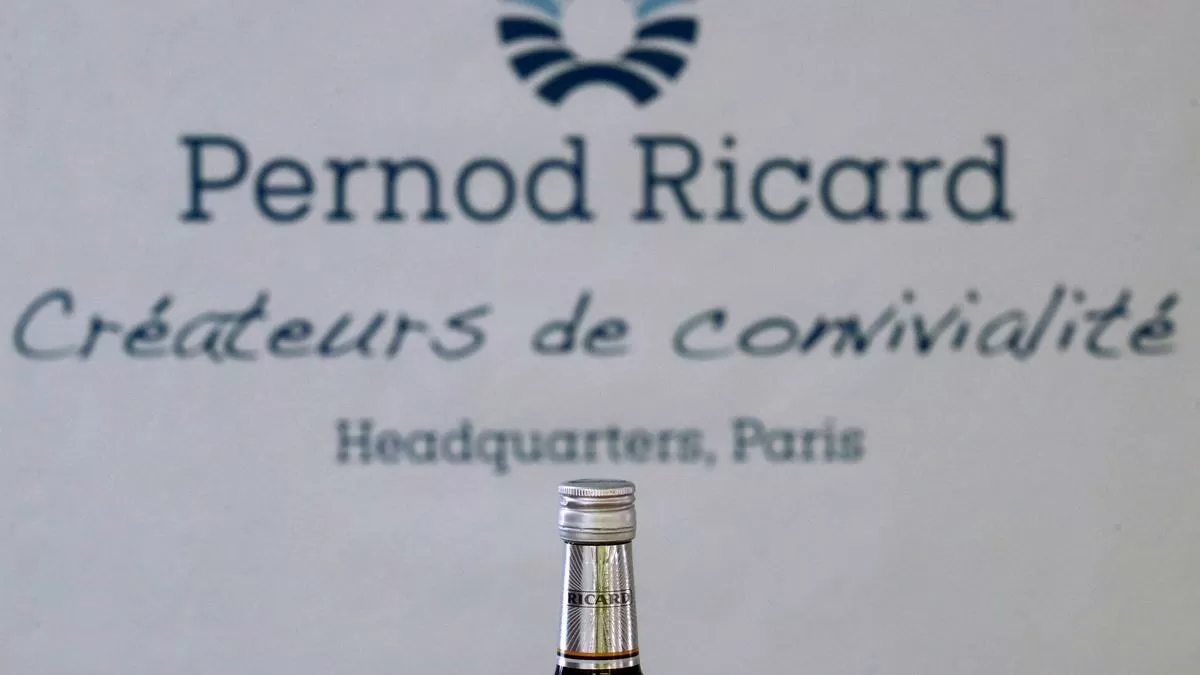
Pernod Ricard, the French spirits company, has recently announced the sale of its wine division to American company E. & J. Gallo Winery for a staggering $1.7 billion. This move has been hailed as a strategic decision that will allow Pernod to focus on premiumisation and strengthen its position in the highly competitive spirits market.
The sale, which includes popular wine brands such as Jacob’s Creek and Campo Viejo, is part of Pernod’s ongoing efforts to streamline its portfolio and concentrate on its core business of premium spirits. This decision comes as no surprise, as the company has been actively pursuing a premiumisation strategy in recent years, with a focus on high-end brands such as Absolut Vodka, Chivas Regal, and Jameson Irish Whiskey.
The sale of its wine division will not only provide Pernod with a significant cash injection but also allow the company to reallocate resources towards its premium brands. This move is in line with the company’s long-term vision of becoming the world leader in the premium spirits market. With the sale, Pernod will be able to further invest in marketing, innovation, and distribution of its premium brands, ultimately driving growth and profitability.
The decision to sell its wine division also reflects the changing consumer preferences in the alcohol industry. In recent years, there has been a noticeable shift towards premium and craft spirits, with consumers willing to pay more for quality and unique products. Pernod’s focus on premiumisation is a strategic response to this trend, and the sale of its wine division is a step towards achieving this goal.
Moreover, the sale will also allow Pernod to streamline its operations and reduce costs. By divesting its wine division, the company will be able to simplify its business structure and improve efficiency. This will not only benefit the company’s bottom line but also enhance its ability to respond to market changes and consumer demands.
The sale of its wine division is also a testament to Pernod’s commitment to sustainability. The company has stated that the proceeds from the sale will be used to invest in its sustainability initiatives, such as reducing its carbon footprint and promoting responsible drinking. This move highlights Pernod’s dedication to creating a positive impact on society and the environment, which is becoming increasingly important to consumers.
Furthermore, the sale of its wine division will also provide Pernod with the opportunity to strengthen its presence in emerging markets. With the proceeds from the sale, the company can invest in expanding its distribution network and marketing efforts in these markets, which have shown significant growth potential for premium spirits.
In conclusion, the sale of its wine division is a strategic move that will enable Pernod to focus on premiumisation and strengthen its position in the global spirits market. This decision aligns with the company’s long-term vision and reflects the changing consumer preferences in the alcohol industry. With this sale, Pernod is well-positioned to continue its growth and success in the highly competitive spirits market.