
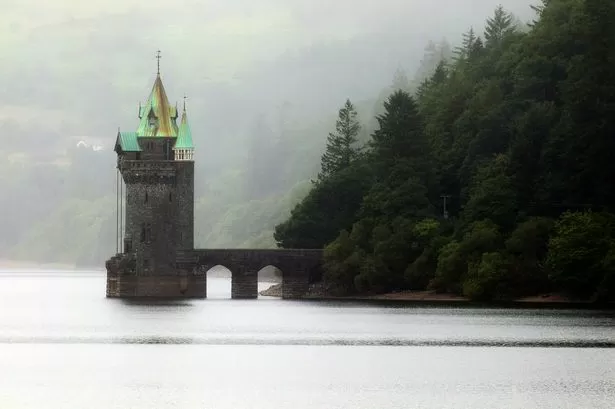
Water has always been a vital element in human life, and its importance goes beyond just quenching our thirst. In Wales, water holds a deep cultural significance that is deeply ingrained in the hearts and minds of its people. From ancient traditions to modern-day practices, water plays a significant role in shaping the Welsh culture and way of life.
One of the most iconic symbols of Wales is its beautiful coastline, which stretches for over 870 miles. The sea has always been a source of livelihood for the Welsh people, with fishing being a prominent occupation for centuries. The sea also holds a special place in Welsh mythology, with tales of mermaids and sea monsters being passed down through generations. The sea is not just a source of food and income, but it is also a source of inspiration and wonder for the Welsh people.
Apart from the sea, Wales is also blessed with abundant freshwater sources, including rivers, lakes, and waterfalls. These natural wonders have played a crucial role in shaping the Welsh landscape and have become an integral part of its culture. For instance, the River Dee, which flows through the picturesque town of Llangollen, is not only a popular tourist spot but also holds cultural significance as it is believed to be the final resting place of the legendary King Arthur’s sword, Excalibur.
In Welsh mythology, water is often associated with healing and purification. The Celts, who were the early inhabitants of Wales, believed that water had the power to cleanse both the body and the soul. This belief is still evident in the numerous holy wells and sacred springs scattered throughout the country. These wells are believed to have healing properties, and people would often visit them to seek relief from various ailments.
Water also plays a significant role in traditional Welsh celebrations and festivals. One such festival is the Eisteddfod, a celebration of Welsh culture, language, and music. The National Eisteddfod is held every year in a different location in Wales, and one of its most iconic features is the Gorsedd of Bards, a ceremony that takes place in a specially constructed circle of stones. The ceremony includes the symbolic use of water, where the presiding druid pours water from a golden ewer onto a stone, representing the purification of the land and its people.
The Welsh language also reflects the cultural significance of water. There are over 400 Welsh words related to water, including names of rivers, lakes, and waterfalls. This abundance of words shows the importance of water in the Welsh culture and its close connection to the land.
Moreover, water has also been a source of inspiration for Welsh literature and art. Many Welsh poets and writers have drawn inspiration from the sea and the rivers, capturing their beauty and power in their works. The famous Welsh artist, Kyffin Williams, was also known for his stunning paintings of the Welsh coastline and its ever-changing moods.
In recent years, water has also become a symbol of environmentalism and sustainability in Wales. With its stunning natural beauty and rich biodiversity, Wales has always been at the forefront of conservation efforts. The Welsh government has implemented various initiatives to protect and preserve its water sources, including the creation of marine protected areas and promoting sustainable fishing practices.
In conclusion, water holds a deep cultural significance in Wales, and its importance goes beyond just being a source of life. It is intertwined with the country’s history, mythology, language, and art, making it an essential part of the Welsh identity. As the Welsh saying goes, “Dwr yw bywyd” (Water is life), and for the people of Wales, it truly is.