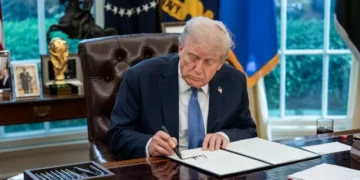
President Donald Trump has recently praised the Internal Revenue Service (IRS) for their decision to allow churches to endorse political candidates. In a statement, Trump expressed his approval of the new policy, stating that he loves “that churches can now” make political endorsements. This move by the IRS has been met with mixed reactions, but Trump’s support for it has been strong.
The controversy surrounding churches and political endorsements has been a topic of debate for many years. The IRS has long held the position that churches should not engage in political activities, as they are tax-exempt organizations and should not be involved in partisan politics. However, Trump’s praise for the new policy has stirred up the conversation once again.
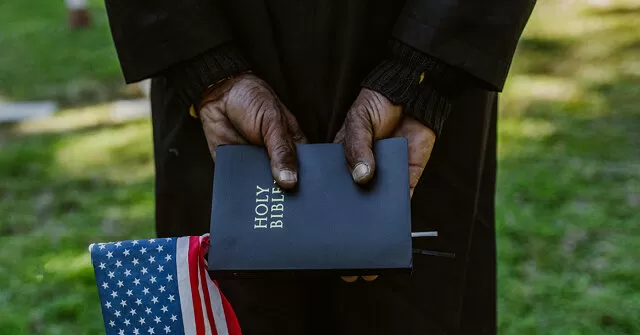
Some argue that allowing churches to endorse political candidates goes against the separation of church and state. They believe that religion and politics should remain separate and that churches should not use their influence to sway voters. On the other hand, supporters of the new policy argue that it is a matter of free speech and that churches should have the same rights as any other organization to publicly support political candidates.
Trump’s support for the IRS decision is seen as a victory for religious freedom and free speech. In his statement, he emphasized the importance of allowing churches to have a voice in the political arena. He believes that this decision will empower churches and give them the opportunity to express their beliefs and values through their endorsements.
This decision by the IRS is a significant one, as it reverses a long-standing policy and gives churches the freedom to participate in the political process. It is a step towards a more inclusive and democratic society, where all voices are heard and valued. Trump’s praise for this decision reflects his commitment to protecting the rights and freedoms of all Americans.
The President’s support for the IRS decision has been welcomed by many religious leaders and organizations. They see it as a positive change that will allow them to have a greater impact on the political landscape. In the past, churches have been limited in their ability to speak out on political issues, but now they are able to fully exercise their right to free speech.
Critics of the new policy argue that it could potentially blur the lines between religion and politics and lead to a dangerous mix of the two. However, supporters believe that churches have a right to express their opinions and endorse candidates, just like any other organization. They also argue that this decision does not force anyone to endorse a particular candidate and that it is ultimately up to the individual church to decide if they want to participate in political endorsements.
The timing of this decision is also significant, as it comes just months before the 2020 presidential election. With the political climate becoming increasingly divisive, the role of churches and their endorsements could potentially have a significant impact on the outcome of the election. This decision by the IRS has opened the door for churches to play a more active role in the political process and have their voices heard.
In conclusion, President Trump’s support for the IRS decision to allow churches to make political endorsements reflects his commitment to protecting the rights and freedoms of all Americans. This move has sparked a debate on the role of churches in politics, but it is ultimately a victory for religious freedom and free speech. It remains to be seen how this decision will impact the upcoming election, but one thing is certain – churches now have a greater opportunity to make their voices heard in the political arena.