
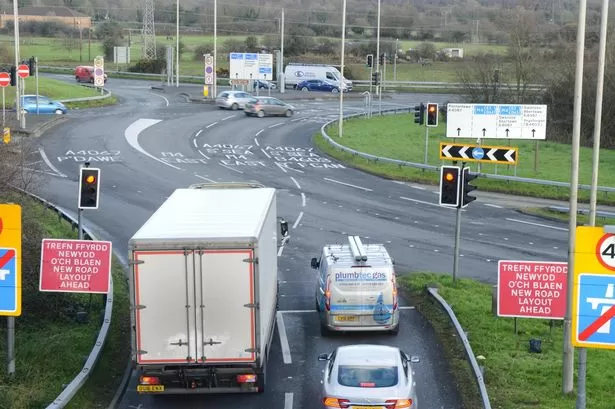
For many drivers, navigating through busy roads and highways can be a daunting task. With multiple lanes and constant changes in traffic patterns, it’s no surprise that many find themselves confused and flummoxed as to which lane they are meant to be in. This has been a long-standing issue that has caused frustration and even accidents on the road. However, with advancements in technology and better road signage, this confusion may soon be a thing of the past.
One of the main reasons for this confusion is the lack of clear and consistent road markings. In many cases, lanes are not properly marked or the markings have faded over time, making it difficult for drivers to determine which lane they should be in. This is especially true for new drivers or those unfamiliar with the area. As a result, drivers often find themselves in the wrong lane, causing delays and sometimes even accidents.
Another contributing factor is the constant changes in traffic patterns. With ongoing construction and roadworks, lanes are often closed or shifted, leaving drivers unsure of which lane they should be in. This can be particularly challenging during rush hour when traffic is heavy and drivers are already feeling stressed and rushed. The lack of clear signage and proper guidance in these situations only adds to the confusion and frustration.
However, there is hope on the horizon. With the rise of technology, many cities and countries are implementing smart traffic management systems to improve the flow of traffic and reduce confusion on the roads. These systems use sensors and cameras to monitor traffic and adjust traffic signals and lane directions accordingly. This not only helps to reduce congestion but also provides real-time information to drivers, guiding them to the correct lane and reducing the chances of accidents.
In addition to technology, there has also been a push for better road signage and markings. Many cities have started to invest in high-quality road markings that are more durable and visible, even in adverse weather conditions. This not only helps drivers to stay in the correct lane but also improves overall road safety. Furthermore, some cities have implemented color-coded lanes, making it easier for drivers to identify which lane they should be in based on their destination.
Moreover, there has been a greater emphasis on educating drivers about lane discipline. Many driving schools now include specific lessons on lane usage and changing, emphasizing the importance of following road markings and signs. This has helped to create a more disciplined and organized flow of traffic, reducing confusion and accidents on the road.
It’s also worth mentioning the role of GPS navigation systems in reducing lane confusion. With the use of GPS, drivers can now receive turn-by-turn directions, guiding them to the correct lane for their destination. This has been a game-changer for many drivers, especially those traveling to unfamiliar places. However, it’s important to note that GPS systems are not foolproof and should not be solely relied upon. Drivers should always pay attention to road signs and markings to ensure they are in the correct lane.
In conclusion, the issue of lane confusion has long plagued drivers, causing frustration and accidents on the road. However, with advancements in technology, better road signage, and education, this problem is slowly being addressed. It’s important for drivers to stay alert and follow road markings and signs, and for cities to continue investing in smart traffic management systems. With these efforts, we can look forward to a future where lane confusion is a thing of the past, making our roads safer and more efficient for everyone.