
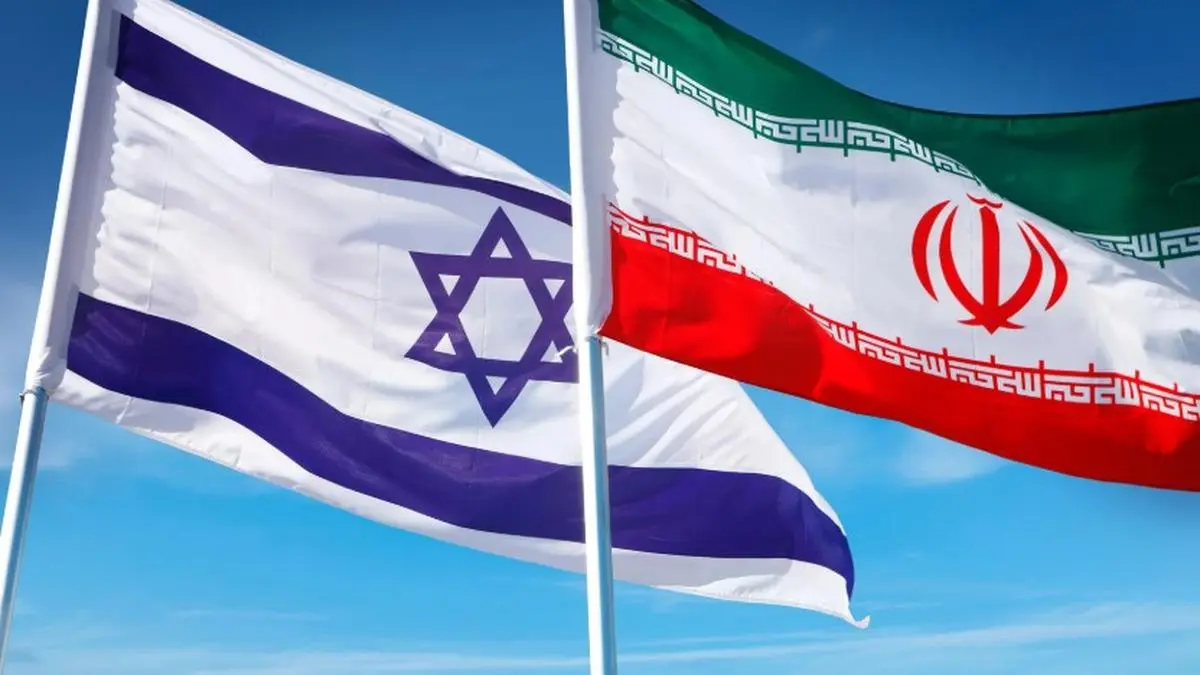
The world was once again shaken by the news of an attack on Iran’s nuclear facilities. This attack comes just a day after the International Atomic Energy Agency (IAEA) censured Iran for its lack of cooperation in regards to its nuclear program. This latest development has caused tensions to rise and has raised concerns about the escalating situation in the Middle East.
The IAEA, the UN’s nuclear watchdog, released a report yesterday stating that Iran has not been fully transparent and cooperative in its nuclear activities. This has been a long-standing issue between Iran and the international community, with many countries suspecting that Iran’s nuclear program is not solely for peaceful purposes.
In response to the IAEA’s censure, Iran has announced that it will be ramping up its nuclear program. This includes increasing its uranium enrichment, which can be used to produce nuclear weapons. This move has only added fuel to the already volatile situation in the region.
The attack on Iran’s nuclear facilities has been met with mixed reactions from the international community. While some countries have condemned the attack, others have remained silent. However, what is clear is that this attack will have serious implications for the already fragile relations between Iran and the rest of the world.
Iran has condemned the attack, calling it a “cowardly act of aggression”. The Iranian government has also accused Israel of being behind the attack, stating that it was a deliberate attempt to sabotage their nuclear program. Israel has neither confirmed nor denied its involvement in the attack.
The attack has caused widespread concern about the safety and security of nuclear facilities. The IAEA has called for a thorough investigation into the attack and has urged all countries to uphold the safety and security of nuclear facilities.
The timing of this attack is also significant as it comes just weeks before the scheduled talks between Iran and the United States to revive the 2015 nuclear deal. The deal, which was abandoned by the United States in 2018, aimed to limit Iran’s nuclear capabilities in exchange for lifting economic sanctions. The attack has now made these talks even more challenging and has raised doubts about the possibility of reaching a new agreement.
The attack on Iran’s nuclear facilities has also sparked fears of a potential escalation in the already tense relations between Iran and its neighboring countries. This could have serious implications for the stability of the region and could potentially lead to a full-blown conflict.
In response to the attack, the European Union has called for all parties to show restraint and avoid any actions that could further escalate the situation. The EU has also reiterated its support for the 2015 nuclear deal and has urged all parties to return to the negotiating table.
It is crucial for all parties involved to exercise restraint and avoid any actions that could lead to further escalation. The attack on Iran’s nuclear facilities is a stark reminder of the dangerous consequences of not addressing issues through peaceful means.
In conclusion, the attack on Iran’s nuclear facilities has added a new layer of complexity to the already tense situation in the Middle East. It has also raised serious concerns about the safety and security of nuclear facilities and the stability of the region. It is now more important than ever for all parties to engage in constructive dialogue and find a peaceful solution to this ongoing issue. The international community must stand united in promoting peace and stability in the region.