
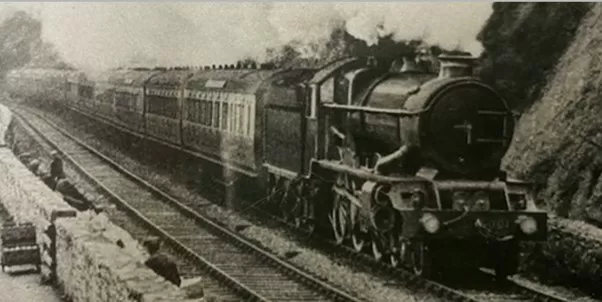
The National Archives is set to launch a new public database on Thursday 5 June, coinciding with Volunteers Week. This exciting new project, titled Railway Work, Life & Death, aims to provide accessible information about railway accidents and their impact on staff between 1911-1923. Thanks to the dedication and hard work of volunteers at The National Archives, this important database will be available to the public for the first time.
The Railway Work, Life & Death project is a significant step towards preserving and honoring the memory of the 4,500 railway staff who were killed or injured while on the job. By compiling records from the early 20th century, this database sheds light on the harsh realities of working on the railways during a time when safety regulations were not as stringent as they are today.
The launch of this public database is a testament to the power of volunteers and their commitment to preserving our history. The National Archives is grateful to the team of volunteers who have dedicated their time and effort to make this project a reality. Without their hard work, this valuable information would have remained hidden and inaccessible to the public.
The Railway Work, Life & Death project is not just a collection of data, but a tribute to the brave men and women who risked their lives to keep the railways running. It is a reminder of the sacrifices made by railway staff and their families, and a way to honor their memory. By making this information available to the public, we are ensuring that their stories and contributions are not forgotten.
This database will be a valuable resource for researchers, historians, and anyone interested in the history of the railway industry. It provides a detailed account of accidents, including the names of those involved, their occupation, cause of death or injury, and other relevant information. This wealth of information will help us understand the dangers and challenges faced by railway workers during this time period.
The launch of the Railway Work, Life & Death project also marks an important milestone in the digitization of historical records. By making this database available online, The National Archives is making it easier for people to access and explore our history. This is a significant step towards preserving our past and making it accessible to future generations.
The launch of this public database is a timely reminder of the importance of volunteers and their role in preserving our history. The Railway Work, Life & Death project is a result of the dedication and passion of volunteers, who have worked tirelessly to bring this project to fruition. Their contribution is invaluable and deserves to be recognized and celebrated.
As we mark Volunteers Week, let us take a moment to appreciate the selfless efforts of volunteers who continue to make a difference in our society. The National Archives is proud to have such dedicated individuals who are committed to preserving our history and making it accessible to all.
In conclusion, the launch of the Railway Work, Life & Death project is a significant event that highlights the power of volunteers and the importance of preserving our history. This public database will serve as a lasting tribute to the railway staff who lost their lives or were injured while on the job. It is a testament to their bravery and a reminder of the sacrifices made by those who keep our railways running. Let us all celebrate this milestone and use this valuable resource to learn more about our past.