
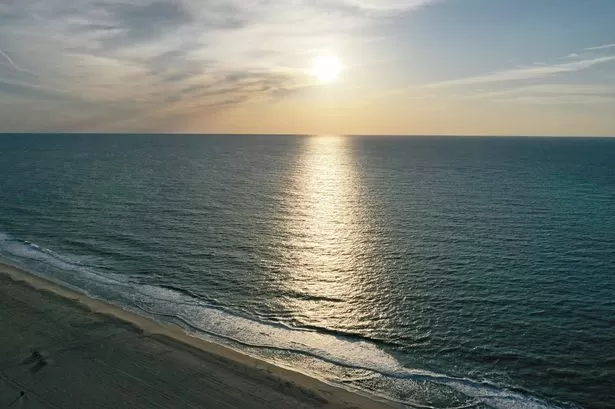
The ocean is a vast and mysterious world, teeming with life and providing us with countless resources. However, recent changes in our environment could have a profound impact on marine life and ultimately, our lives as well. As we continue to witness the effects of climate change and human activities, it is crucial that we take action to protect our oceans and the creatures that call it home.
One of the most pressing issues facing our oceans is the rise in sea levels. As global temperatures continue to increase, glaciers and ice sheets are melting at an alarming rate, causing sea levels to rise. This not only affects coastal communities and low-lying islands, but also has a significant impact on marine life. Many species of marine animals, such as sea turtles and seals, rely on beaches for nesting and breeding. With rising sea levels, these habitats are at risk of disappearing, leading to a decline in these species’ populations.
In addition to rising sea levels, the increase in ocean temperatures is also a cause for concern. The ocean acts as a natural regulator of the Earth’s temperature, absorbing excess heat and carbon dioxide. However, as the ocean absorbs more and more heat, it becomes warmer and more acidic, posing a threat to marine life. Coral reefs, which are home to a quarter of all marine species, are particularly vulnerable to these changes. As the water becomes too warm and acidic, corals expel the algae that give them their vibrant colors, leaving them bleached and vulnerable to disease.
The changes in our oceans also have a direct impact on our lives. The ocean is a vital source of food for millions of people around the world, and any disruption in its delicate ecosystem can have severe consequences. Overfishing, pollution, and the destruction of habitats all contribute to the decline of fish populations, threatening the livelihoods of fishermen and the availability of seafood for consumers. Furthermore, the ocean plays a crucial role in regulating our climate, and any disruptions to this process can have far-reaching consequences for our planet.
However, it is not too late to make a positive change. We have the power to protect our oceans and the creatures that inhabit them. Governments and individuals must take action to reduce carbon emissions and slow down the effects of climate change. This includes transitioning to renewable energy sources, reducing our carbon footprint, and implementing sustainable fishing practices. By working together, we can make a significant impact on the health of our oceans and the planet as a whole.
Furthermore, we must also address the issue of plastic pollution in our oceans. Every year, millions of tons of plastic end up in the ocean, harming marine life and polluting our waters. We can all make a difference by reducing our use of single-use plastics and properly disposing of waste. Additionally, supporting organizations that work towards cleaning up our oceans and promoting sustainable practices can also make a significant impact.
It is also essential to educate ourselves and future generations about the importance of our oceans and the impact of our actions. By raising awareness and promoting conservation efforts, we can inspire others to take action and protect our oceans for generations to come.
In conclusion, the changes in our oceans have the potential to have a profound impact on marine life and our lives as a result. However, by taking action now, we can mitigate these effects and ensure a healthier and more sustainable future for our oceans. Let us all do our part in protecting this precious resource and the incredible creatures that inhabit it. Together, we can make a positive change and preserve our oceans for generations to come.