The world of healthcare is constantly evolving, with advancements and discoveries being made every day. One area that has been gaining more attention in recent years is traditional medicine. This form of medicine, which has been used for centuries in many cultures, is now being recognized for its potential to complement modern medical practices. In an exciting development, an agreement has been reached to create a dedicated Traditional Medicine module under the International Classification of Health Interventions (ICHI). This is a significant step towards integrating traditional medicine into mainstream healthcare, and marks the beginning of an important journey.
The ICHI is a framework that provides a standard language for describing and categorizing health interventions. It is used by healthcare professionals, researchers, and policy makers to improve the delivery and management of healthcare services. With the inclusion of a Traditional Medicine module, this framework will now encompass a wider range of interventions, including those from non-Western medical traditions.
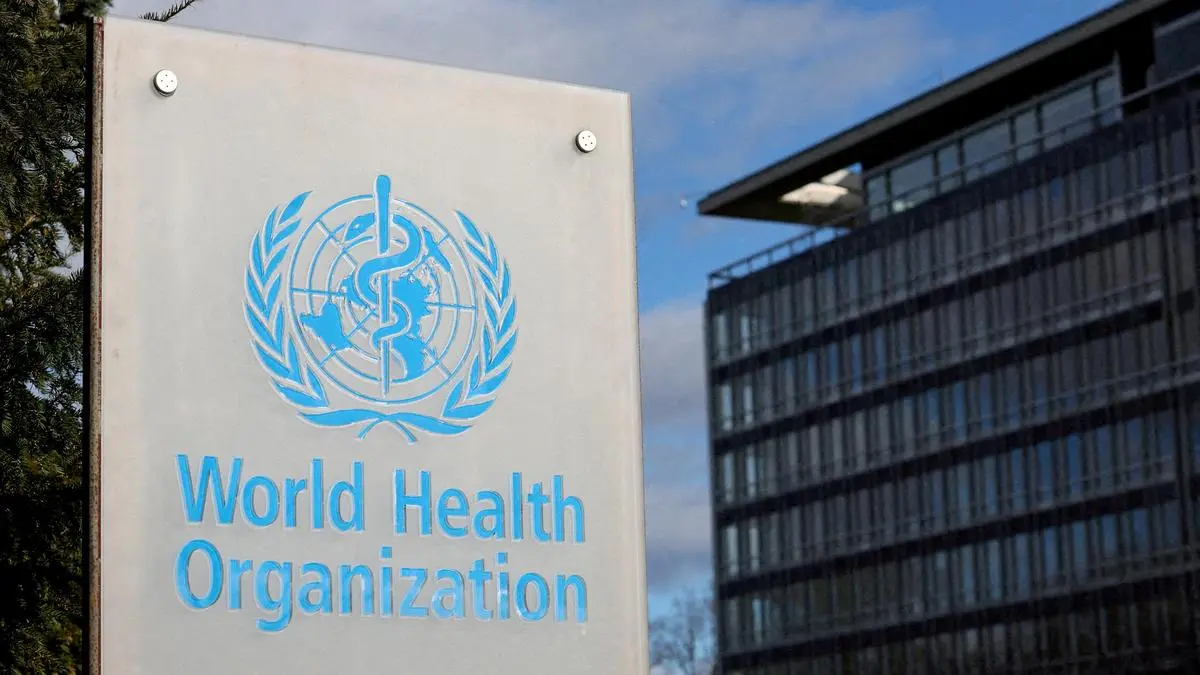
This agreement was reached at the World Health Organization (WHO) headquarters in Geneva, Switzerland, during a meeting of the ICHI Collaborative Network. The network is made up of representatives from various countries, international organizations, and professional associations who work together to develop and maintain the ICHI. The decision to create a Traditional Medicine module was made in response to the growing demand for the integration of traditional medicine into national health systems.
The inclusion of traditional medicine in the ICHI is a significant step towards its recognition and acceptance as a legitimate form of healthcare. This will not only benefit the millions of people who rely on traditional medicine for their health needs, but it will also promote the preservation and development of traditional medical knowledge and practices. It is a win-win situation for both traditional medicine and modern medicine.
One of the key benefits of having a dedicated Traditional Medicine module under the ICHI is that it will facilitate the collection and analysis of data on traditional medicine interventions. This will help to generate evidence on the effectiveness and safety of these interventions, which is essential for their integration into mainstream healthcare. It will also enable better monitoring and evaluation of traditional medicine practices, leading to improved quality and standardization.
This development also has the potential to open up new opportunities for research and innovation in traditional medicine. With a standardized framework in place, researchers will be able to compare and contrast different traditional medicine interventions, leading to a better understanding of their mechanisms and effects. This could pave the way for the development of new and improved treatments, as well as the incorporation of traditional medicine into evidence-based healthcare protocols.
Moreover, the inclusion of traditional medicine in the ICHI will also contribute to the global efforts towards achieving Universal Health Coverage (UHC). UHC aims to ensure that all individuals and communities have access to quality healthcare services without suffering financial hardship. By recognizing traditional medicine as a valid form of healthcare, the ICHI is promoting the principle of health for all and working towards a more inclusive and equitable healthcare system.
This agreement also highlights the importance of collaboration and partnership in the field of healthcare. It is a result of the joint efforts of various stakeholders, including governments, international organizations, and traditional medicine practitioners. This collaborative approach is crucial for the successful integration of traditional medicine into mainstream healthcare and for achieving the Sustainable Development Goal of ensuring healthy lives and promoting well-being for all.
In conclusion, the agreement to create a dedicated Traditional Medicine module under the ICHI is a significant milestone in the journey towards the recognition and integration of traditional medicine into mainstream healthcare. It is a step in the right direction towards achieving a more comprehensive and inclusive healthcare system. This development should be celebrated and supported by all, as it has the potential to improve the health and well-being of millions of people around the world. Let us continue to work together towards a healthier and more holistic future for all.