
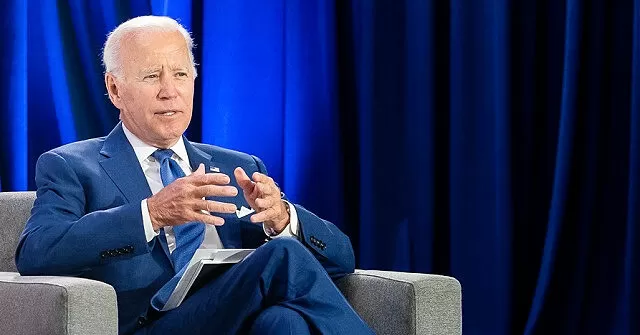
During a recent discussion on PBS’s “Washington Week,” host and The Atlantic Editor-in-Chief Jeffrey Goldberg addressed criticisms of media coverage surrounding Joe Biden’s fitness for the presidency. The conversation, which took place with “Original Sin” authors CNN host Jake Tapper and Axios National Political Correspondent and CNN Contributor Alex Thompson, shed light on the challenges faced by journalists in today’s polarized political climate.
Goldberg began by acknowledging the criticism that the media has been too soft on Biden, particularly when it comes to his age and mental acuity. He pointed out that while there may be valid concerns about the former Vice President’s fitness, it is ultimately up to the public to decide if they want to read and engage with these stories.
“You can’t make people read what you write,” Goldberg stated. “If people are not interested in a story, they’re not going to read it. That’s just the reality of the situation.”
This sentiment is an important reminder that the media’s role is to inform and report on the news, but it is ultimately up to the audience to consume and engage with it. In today’s digital age, where people have access to a plethora of news sources, it is up to the individual to seek out and read stories that interest them.
Goldberg also addressed the criticism that the media has been too focused on Biden’s gaffes and not enough on his policies and platform. He argued that while gaffes may make for entertaining headlines, they are not the most important aspect of a presidential candidate.
“Journalism is about balance, and it’s about proportion,” Goldberg explained. “We have to cover the gaffes, but we also have to cover the policies and the issues that are important to the American people.”
This is a crucial point, as the media plays a crucial role in informing the public about the policies and positions of political candidates. While gaffes may make for sensational headlines, it is the policies and plans that will ultimately impact the lives of Americans.
The discussion also touched on the media’s role in fact-checking and holding politicians accountable. Tapper and Thompson shared their experiences of fact-checking and the challenges they face in today’s political climate.
Goldberg emphasized the importance of fact-checking and holding politicians accountable, stating, “We have to be very careful to make sure that we’re not just amplifying falsehoods, but we’re actually correcting them.”
In a time where misinformation and fake news are rampant, it is more important than ever for the media to fact-check and hold politicians accountable for their statements. This is essential in ensuring that the public is well-informed and can make educated decisions.
Overall, the discussion highlighted the challenges and responsibilities of the media in covering politics and elections. While there may be valid criticisms of media coverage, it is ultimately up to the audience to engage with and seek out the news that interests them. The media’s role is to report and inform, and it is crucial for individuals to actively seek out and consume a variety of news sources to form their own opinions.
As the 2020 election approaches, it is important for the media to continue to hold politicians accountable, fact-check information, and provide balanced coverage of both policies and gaffes. It is also up to the public to actively engage with the news and make informed decisions about the future of our country.