
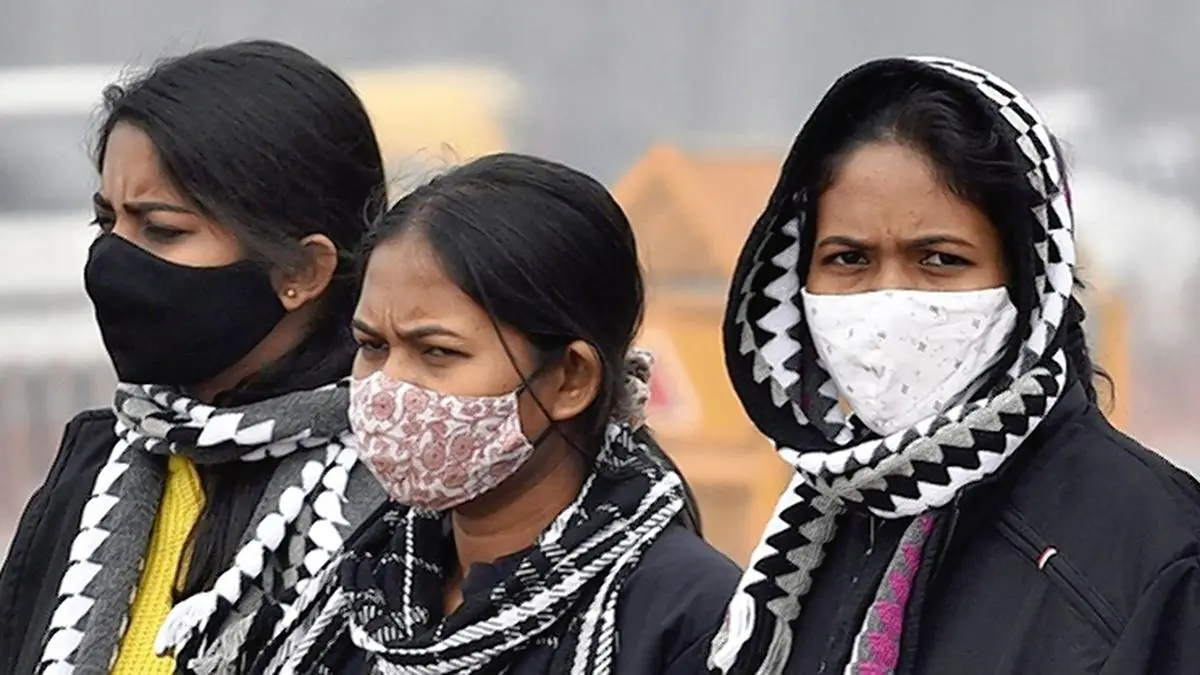
The world has been facing an unprecedented challenge in the form of the Covid-19 pandemic. This highly contagious respiratory illness has affected millions of people around the globe, causing widespread panic and fear. However, amidst this chaos, there is a glimmer of hope – a robust system for surveillance of respiratory viral illnesses, including Covid-19, exists in our country.
The need for a strong surveillance system for respiratory viral illnesses has been highlighted by the current pandemic. The ability to track and monitor the spread of the virus is crucial in controlling its impact and preventing further outbreaks. Our country has recognized this need and has taken proactive measures to establish a comprehensive surveillance system.
One of the key components of this system is the establishment of a network of laboratories equipped with state-of-the-art technology for the detection and diagnosis of respiratory viral illnesses. These laboratories are strategically located in different parts of the country, making it easier to collect and analyze samples from various regions. This not only speeds up the testing process but also provides a more accurate picture of the spread of the virus.
In addition to the physical infrastructure, the country has also invested in training and capacity building of healthcare professionals to effectively utilize the surveillance system. This includes training on proper sample collection, handling, and testing procedures, as well as data management and analysis. This ensures that the surveillance system is not only efficient but also reliable.
Another crucial aspect of the surveillance system is the integration of technology. The use of digital platforms and tools has greatly enhanced the efficiency and accuracy of the system. Real-time data collection and analysis allow for quick identification of potential outbreaks and prompt response measures. This has been particularly beneficial in the case of Covid-19, where the rapid spread of the virus required swift action.
Moreover, the surveillance system also includes a robust communication network that enables the timely dissemination of information to healthcare professionals, government agencies, and the general public. This has played a crucial role in raising awareness about respiratory viral illnesses and educating the public on preventive measures.
The success of the surveillance system can be seen in the efficient management of the Covid-19 pandemic in our country. The timely detection and isolation of cases, as well as contact tracing, have helped in containing the spread of the virus. This has also been acknowledged by the World Health Organization, which has commended our country’s efforts in controlling the pandemic.
Furthermore, the surveillance system has also been instrumental in monitoring the effectiveness of control measures and identifying any gaps that need to be addressed. This has allowed for a more targeted and evidence-based approach in managing the pandemic.
Apart from Covid-19, the surveillance system has also been effective in monitoring and controlling other respiratory viral illnesses, such as influenza and respiratory syncytial virus (RSV). This has reduced the burden on the healthcare system and prevented the co-circulation of multiple respiratory viruses.
In conclusion, our country has a robust system for surveillance of respiratory viral illnesses, including Covid-19. The integration of technology, training of healthcare professionals, and efficient communication network have made this system a success. The timely detection and management of cases, as well as the ability to monitor and evaluate control measures, have been crucial in controlling the spread of the virus. As we continue to navigate through the pandemic, we can take pride in the fact that our country has a strong surveillance system in place, ready to face any future challenges.