
As the UK continues to enjoy warm and sunny weather, many Brits are taking advantage of the outdoors. From picnics in the park to long walks in the countryside, people are spending more time outside than ever before. However, with the increase in outdoor activities, comes the risk of insect bites. In light of this, the NHS has released a list of common insect bites that people should be aware of.
First on the list are mosquito bites. These pesky insects are known for their itchy and irritating bites. While most mosquito bites are harmless, some can cause allergic reactions or transmit diseases such as malaria and dengue fever. To protect yourself from mosquito bites, the NHS recommends wearing insect repellent and covering up exposed skin, especially during dawn and dusk when mosquitoes are most active.
Next up are bee and wasp stings. These are not only painful but can also cause severe allergic reactions in some people. If you are stung by a bee or wasp, the NHS advises removing the sting if it is still in the skin and washing the affected area with soap and water. Applying a cold compress and taking antihistamines can also help alleviate the pain and swelling.
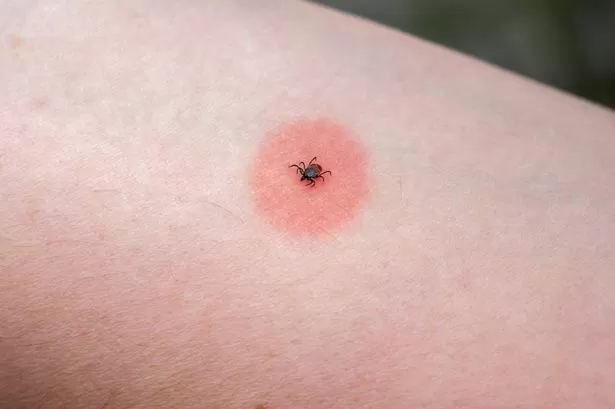
Ticks are another common insect found in the UK, especially in grassy and wooded areas. These tiny creatures can carry diseases such as Lyme disease, which can cause flu-like symptoms and joint pain. To prevent tick bites, the NHS recommends wearing long-sleeved clothing and using insect repellent. If you do find a tick on your skin, remove it carefully with tweezers and clean the area with antiseptic.
Fleas are not just a problem for our furry friends, they can also bite humans. These tiny insects can cause itchy and red bumps on the skin, and in some cases, transmit diseases. To prevent flea bites, the NHS advises regularly treating your pets for fleas and vacuuming your home regularly. If you do get bitten, wash the affected area with soap and water and apply a cold compress to reduce itching.
Lastly, horsefly bites are something to watch out for during the summer months. These bites are not only painful but can also cause allergic reactions and infections. The NHS recommends using insect repellent and covering up exposed skin to prevent horsefly bites. If you do get bitten, clean the area with soap and water and apply an antihistamine cream to reduce swelling and itching.
While insect bites can be annoying and uncomfortable, most of them are not serious and can be treated at home. However, if you experience severe symptoms such as difficulty breathing, swelling of the face or mouth, or a high fever, seek medical attention immediately.
In addition to the above-mentioned insect bites, the NHS also warns about the dangers of tick bites and Lyme disease. This bacterial infection can cause a range of symptoms, including a rash, flu-like symptoms, and joint pain. If left untreated, it can lead to more severe conditions such as meningitis and heart problems. To prevent tick bites and Lyme disease, the NHS advises checking your skin and your pet’s skin for ticks after spending time outdoors, and removing them immediately if found.
As the UK continues to enjoy warm weather, it is essential to be aware of the potential risks of insect bites. By taking simple precautions such as using insect repellent, covering up exposed skin, and regularly checking for ticks, you can enjoy the outdoors without worrying about insect bites. However, if you do get bitten, follow the NHS’s advice and seek medical attention if necessary.
So, as you bask in the warm weather and spend more time outside, don’t forget to protect yourself from insect bites. With the NHS’s helpful tips and advice, you can enjoy the great outdoors without any worries. Stay safe and have fun!