
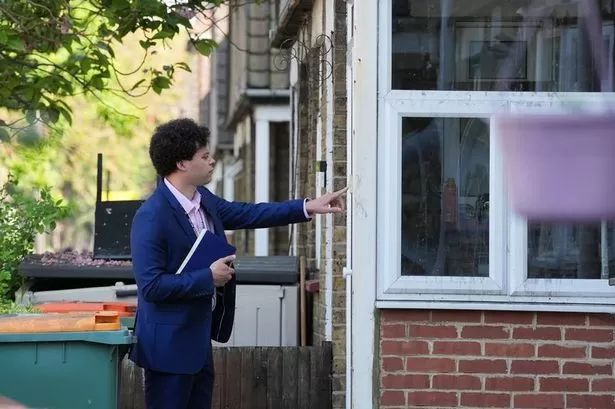
In a recent development, officers have been going door to door, asking for DNA samples from residents. This move has sparked some controversy and raised concerns among the public. However, before jumping to conclusions, it is important to understand the reasons behind this action and the potential benefits it could bring.
First and foremost, let us address the elephant in the room – privacy concerns. It is understandable that people may feel uncomfortable with the idea of giving their DNA samples to law enforcement. However, it is crucial to note that these samples are being collected with the sole purpose of solving crimes and bringing justice to victims and their families. It is not a violation of privacy, but rather a necessary step in ensuring the safety and security of our communities.
The use of DNA evidence in criminal investigations has proven to be a game-changer. It has helped solve countless cases and exonerate innocent individuals who were wrongfully convicted. By collecting DNA samples from residents, officers are expanding their database and increasing the chances of solving crimes. This could potentially lead to a safer and more secure environment for everyone.
Moreover, this move by law enforcement is not without precedent. In fact, many countries around the world have already implemented similar programs with great success. For instance, in the United Kingdom, the National DNA Database has been in operation since 1995 and has played a crucial role in solving crimes. It is estimated that this database has helped solve over 400,000 cases, including murders, rapes, and other serious offenses.
In addition to solving crimes, the collection of DNA samples can also prevent them from happening in the first place. The fear of being caught and identified through DNA evidence can act as a deterrent for potential criminals. This could potentially lead to a decrease in crime rates and make our communities safer.
Furthermore, the process of collecting DNA samples is not as invasive as some may think. It is a simple and painless procedure that involves swabbing the inside of the cheek with a cotton swab. The sample is then sent to a lab for analysis, and the results are stored in a secure database. This process is quick and does not require any special equipment or training, making it a cost-effective method for law enforcement.
It is also important to note that the collection of DNA samples is not mandatory. Residents have the right to refuse to provide their sample, and officers are not allowed to force anyone to do so. This ensures that the process is carried out with the utmost respect for individual rights and privacy.
Some may argue that this move by law enforcement is an invasion of privacy and could lead to false accusations. However, it is crucial to understand that DNA evidence is just one piece of the puzzle in solving a crime. It is always used in conjunction with other evidence and is subject to rigorous testing and analysis. Therefore, the chances of a false accusation based solely on DNA evidence are extremely low.
In conclusion, the collection of DNA samples by officers going door to door may seem like a controversial move, but it is a necessary step in ensuring the safety and security of our communities. It has proven to be an effective tool in solving crimes and preventing them from happening in the first place. Let us support our law enforcement in their efforts to make our communities a safer place for everyone. Remember, by providing your DNA sample, you could potentially be helping to bring closure to a victim’s family and prevent future crimes. So, let us all do our part in making our society a better and safer place for all.