As we usher into the spring season, meteorologists are predicting above-normal temperatures for the next few months. The Indian Meteorological Department (IMD) recently released its long-range forecast for April to June, and it suggests that we can expect to experience warmer weather than usual. The forecast also predicts that the weak La Nina conditions that have been prevailing over the last few months will give way to neutral ENSO conditions, bringing more stability to our weather patterns.
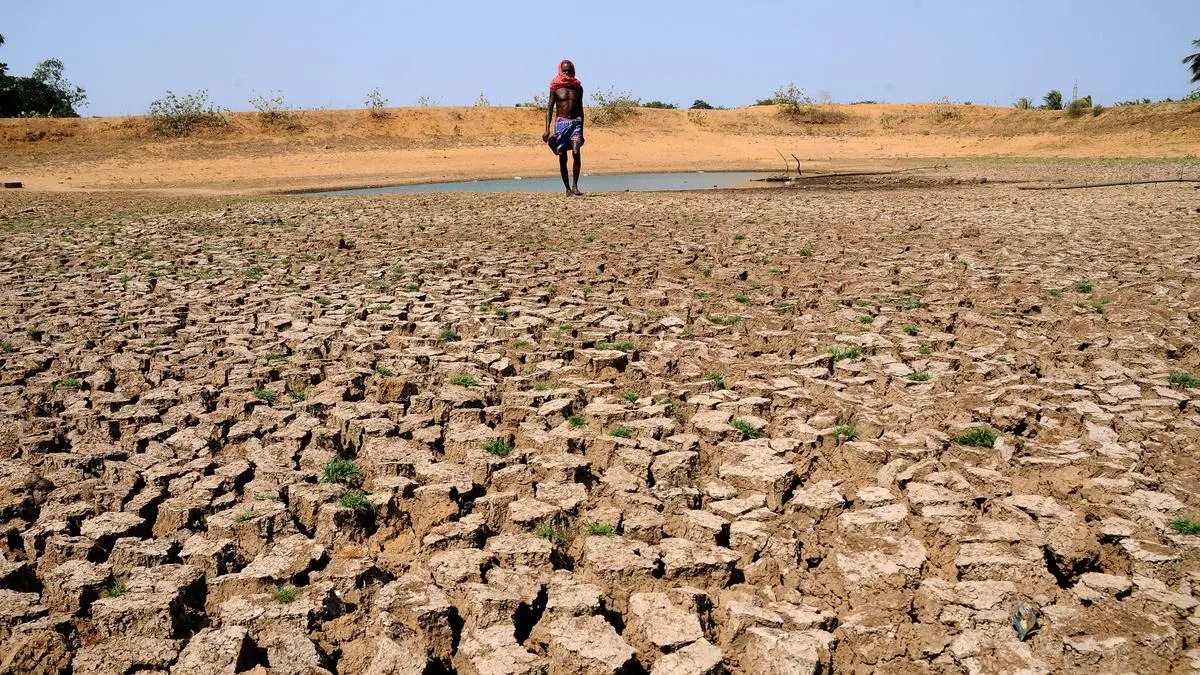
The IMD’s forecast is based on the latest observations and scientific developments in the field of weather forecasting. According to the agency, the average temperature during April to June is likely to be higher than normal by 0.5 to 1 degree Celsius in most parts of the country. The warmer temperatures are expected to be most prominent in north, northwest, central, and western parts of India. The eastern and northeastern regions are also likely to experience above-normal temperatures during this period.
The predicted rise in temperature is a clear indication of the changing climate patterns around the world. The planet is experiencing a gradual increase in temperature, and India is not exempt from this phenomenon. However, there is no need to panic as the rise in temperature is still within a manageable range. The IMD has assured that the predicted temperatures will not reach levels that would cause any drastic changes in our daily lives.
The increase in temperature can be attributed to the weakening of the La Nina conditions, which have been impacting our weather patterns over the last few months. La Nina is a phenomenon where the ocean temperature in the Pacific Ocean becomes cooler than usual, causing a ripple effect on global weather patterns. This year, the La Nina conditions were relatively weak, resulting in above-normal precipitation in some parts of India. Now, as the La Nina conditions begin to fade, they will be replaced by neutral ENSO conditions.
ENSO (El Nino Southern Oscillation) is another significant weather phenomenon, which includes both El Nino and La Nina. Neutral ENSO conditions mean that the ocean temperatures in the Pacific Ocean are in their normal range, and there are no signs of El Nino or La Nina. This transition from La Nina to neutral ENSO conditions is expected to bring more stability to our weather patterns.
The shift from La Nina to neutral ENSO conditions is a positive sign as it will help reduce extreme weather events such as droughts, floods, and cyclones. It will also bring a much-needed relief to the farmers, who have been struggling with unpredictable weather over the last few months. With stable weather patterns, farmers can plan their crop cycles better and have a more successful harvest season.
Apart from the impact on agriculture, the predicted above-normal temperatures can also have some positive effects. With warmer weather, we can expect an early start to the summer season, which means we can enjoy more outdoor activities in the coming months. It is also good news for the tourism industry as people will be more inclined to travel and explore different parts of the country during the summer season.
Another benefit of the warmer temperatures is that it can help slow down the spread of the COVID-19 virus. Studies have shown that the virus thrives in colder temperatures, and as we move towards warmer weather, it is expected to slow down the spread of the virus.
The IMD has also issued a word of caution for the states in the southern region of India, where the temperatures are likely to be below normal. The states of Tamil Nadu, Kerala, and Karnataka may experience below-normal temperatures during this period. The IMD has advised people living in these states to take necessary precautions to protect themselves from the sudden drop in temperature.
In conclusion, the IMD’s long-range forecast brings a ray of hope for a stable and relatively warmer weather pattern in the coming months. The predicted above-normal temperatures and transition to neutral ENSO conditions are positive developments that can have a significant impact on various aspects of our lives. It is a reminder that we are all responsible for taking care of our planet and its changing climate. Let us do our part in preserving our environment and making our world a better place for future generations.