
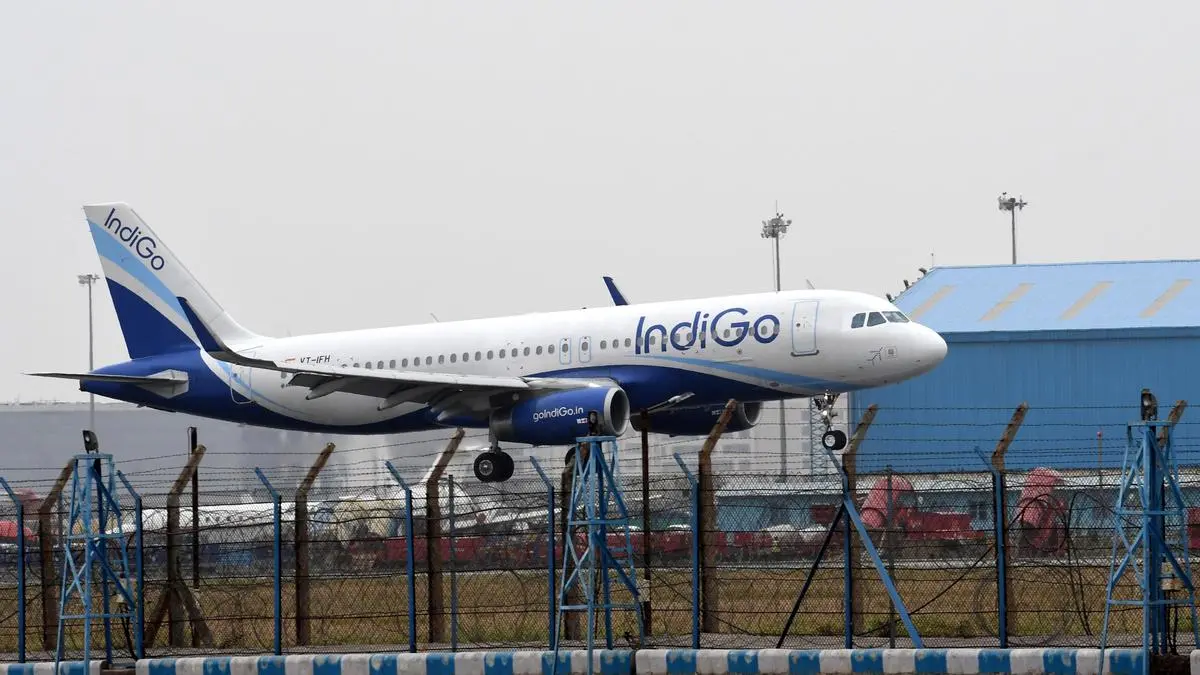
Experts have recently raised concerns about the future of Delhi’s Indira Gandhi International Airport (IGIA) in light of the upcoming airport in Noida. According to experts, unless the Value Added Tax (VAT) at IGIA is reduced to 1%, it may lose out to the new airport in Noida. This has sparked a debate among aviation experts and stakeholders, with many calling for immediate action to ensure the continued success of IGIA as one of India’s busiest airports.
The issue at hand is the high VAT rate of 12.5% imposed on aviation turbine fuel (ATF) at IGIA. This has been a major deterrent for airlines operating at the airport, as it significantly increases their operating costs. In comparison, the upcoming airport in Noida is expected to have a much lower VAT rate, making it a more attractive option for airlines. This could lead to a shift in air traffic from IGIA to Noida, ultimately resulting in a decline in revenue for the Delhi airport.
Experts point out that this is not the first time such a situation has arisen. In the past, several airlines have shifted their operations from Delhi to other airports due to high taxes and fees. For instance, in 2012, Kingfisher Airlines shifted its operations from IGIA to the nearby Jaipur airport, citing high operating costs at Delhi. This trend is concerning, as it not only affects the revenue of the airport but also has a negative impact on the overall economy of the city.
Moreover, the high VAT rate at IGIA also puts Indian airlines at a disadvantage when competing with foreign carriers. As most international airlines refuel at airports outside India, they are not subjected to the high VAT rate. This gives them a significant cost advantage over Indian carriers, making it difficult for them to compete on an equal footing. This has resulted in a skewed playing field for Indian airlines, hindering their growth and expansion plans.
In light of these issues, experts are urging the government to take immediate action and reduce the VAT rate at IGIA to 1%. This move would not only benefit the airport but also have a positive impact on the aviation industry as a whole. It would make Delhi a more attractive destination for airlines, leading to an increase in air traffic and revenue for the airport. It would also level the playing field for Indian airlines, allowing them to compete more effectively with their foreign counterparts.
The benefits of reducing the VAT rate at IGIA are not limited to just the aviation industry. It would also have a ripple effect on the overall economy of Delhi and the surrounding areas. With an increase in air traffic, there would be a rise in tourism and business activities, leading to job creation and economic growth. This would also boost the city’s image as a major international hub and attract more investment and business opportunities.
Furthermore, reducing the VAT rate at IGIA would also bring down the cost of air travel for passengers. With lower operating costs for airlines, they would be able to offer more competitive fares, making air travel more affordable for the common man. This would not only benefit the passengers but also boost the overall demand for air travel, leading to further growth and development of the aviation sector.
In conclusion, it is evident that reducing the VAT rate at IGIA is crucial for the continued success of the airport and the growth of the aviation industry in India. The government must take swift action to address this issue and ensure that IGIA remains a competitive and attractive destination for airlines. The benefits of this move would be far-reaching, not only for the airport but also for the economy and the people of Delhi. Let us hope that the authorities take heed of the experts’ advice and take necessary steps to secure the future of IGIA.