
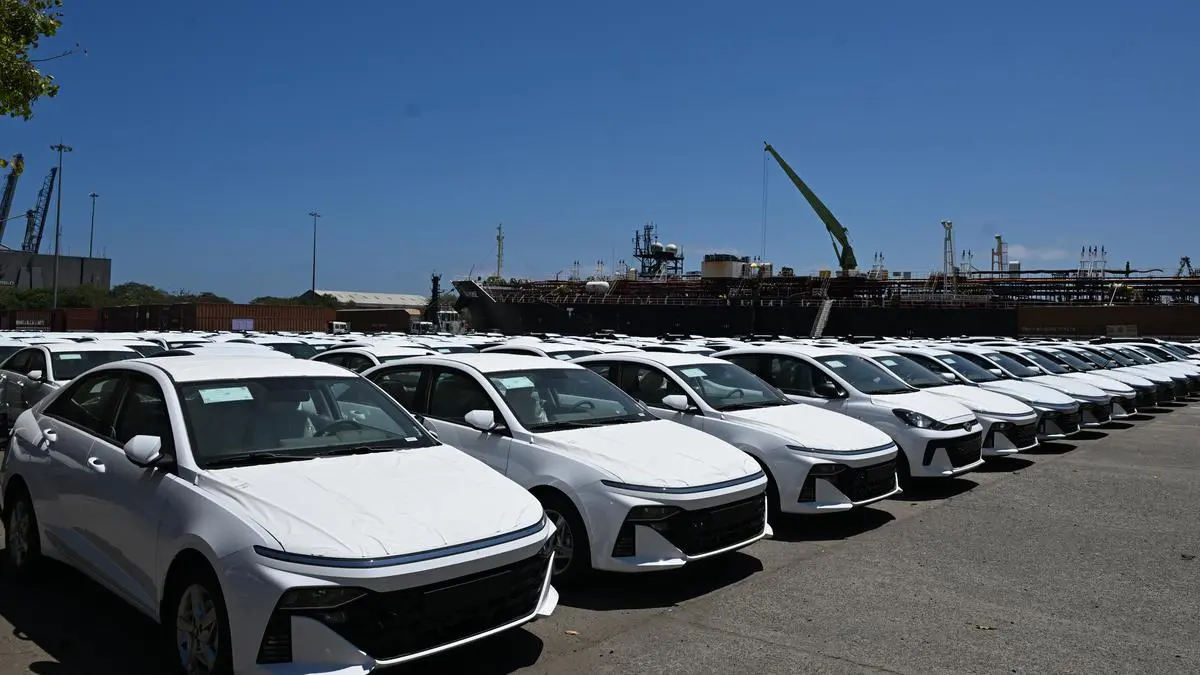
Higher Prices Challenge Electric Vehicle Registrations
In recent years, there has been an increasing global awareness about the need for sustainable transportation and reducing our reliance on fossil fuels. As a result, electric vehicles (EVs) have emerged as a popular and eco-friendly alternative to traditional gasoline-powered cars. However, despite their many benefits, the high prices of EVs have been a barrier to their widespread adoption. This has become a major concern for the automotive industry and policymakers alike, as higher prices continue to drag electric vehicles’ registrations.
Electric vehicles offer numerous advantages, including lower operating costs, zero emissions, and a smooth, quiet driving experience. They are also seen as a crucial step towards reducing greenhouse gas emissions and mitigating the effects of climate change. Yet, the high initial cost of purchasing an EV is one of the biggest obstacles in the way of their mass adoption.
The primary reason for the high prices of electric vehicles is the expensive battery technology used in them. According to industry experts, the battery accounts for about a third of the total cost of an EV. The high cost of batteries can be attributed to the complex manufacturing process, limited production capacity, and the use of rare materials such as lithium, cobalt, and nickel.
Furthermore, the EV market is relatively new and still developing, which means that economies of scale have not been achieved yet. As a result, production costs are higher, leading to higher prices for customers. This is especially true for all-electric vehicles, which have a higher price tag compared to hybrid or plug-in hybrid electric vehicles.
The high prices of electric vehicles have a direct impact on their registrations. In countries where EVs are more affordable, such as Norway, China, and the Netherlands, the market share for electric vehicles is significantly higher. However, in countries with higher EV prices, such as the United States and Canada, their market share remains relatively low.
This trend is troubling, especially as countries around the world are setting ambitious targets for the transition to electric vehicles. For example, the European Union has set a target for all new cars to be emission-free by 2035. Similarly, countries like the United Kingdom, France, and India have announced plans to phase out the sale of gasoline and diesel cars in the coming years. However, with higher prices, it may be challenging to achieve these targets.
The high prices of electric vehicles not only affect their registrations but also have a domino effect on the entire industry. As EVs continue to struggle to gain market share, automakers may lose motivation to invest in and develop new models. This, in turn, can impede the growth of the EV market and hinder progress towards a more sustainable future.
To overcome this challenge, governments and automakers need to work together to make electric vehicles more affordable for the general public. Governments can provide incentives and subsidies to encourage people to purchase EVs and also invest in infrastructure, such as charging stations, to facilitate their use. At the same time, automakers can focus on improving battery technology and increasing production capacity to bring down costs.
In recent years, we have seen some positive developments in this regard. Many countries, including the United States, have introduced tax credits and rebates for EV purchases. Automakers have also announced plans for new, more affordable electric vehicle models. For example, Tesla recently launched its Model 3, which is significantly cheaper than its other models. Furthermore, advancements in battery technology, such as solid-state batteries, may also help reduce costs in the future.
It is essential to note that the high prices of electric vehicles are not the only reason for their slower adoption. Range anxiety, lack of charging infrastructure, and limited model options are also factors that affect the decision of potential buyers. However, addressing the issue of high prices is a crucial step towards making electric vehicles a more viable and attractive option for consumers.
In conclusion, while electric vehicles offer numerous benefits, their high prices remain a significant barrier to their widespread adoption. Governments and automakers must work together to make EVs more affordable, as this will not only benefit the environment but also drive the growth of the electric vehicle market. With concerted efforts, we can overcome this challenge and accelerate the transition towards a more sustainable future.