
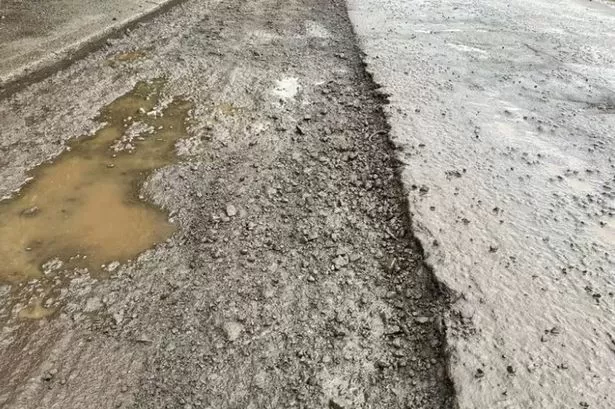
The maintenance of roads is crucial for the smooth functioning of our transportation system. It not only ensures the safety of commuters, but also plays a significant role in the economic growth of a country. However, it is no secret that many countries around the world struggle with maintaining their roads due to various challenges such as limited funds and resources. In this regard, the United Kingdom (UK) is also facing its fair share of issues, with a backlog of around £70 million for road maintenance alone. While this may seem like a daunting number, it is important to understand the factors that have led to this backlog and the steps being taken to address it.
Firstly, it is important to note that the UK’s roads network is constantly under pressure due to the increasing number of vehicles on the road. According to the Department for Transport, the total number of vehicles licensed for use on the roads in the UK has been steadily increasing over the years, reaching a record high of 38.9 million in 2019. With more vehicles on the road, there is a greater need for regular maintenance to ensure the safety and efficiency of the roads. This puts a strain on the existing infrastructure and resources, making it a constant challenge for authorities to keep up with the maintenance demands.
Moreover, the UK has also faced budget cuts in recent years, resulting in a strain on the funds allocated for road maintenance. This has been further exacerbated by the COVID-19 pandemic, which has forced the government to reallocate funds to tackle the crisis. As a result, the backlog for road maintenance has been steadily increasing. However, it is important to note that the government has recognized the need for action and has taken steps to address the issue.
In March 2020, the UK government allocated an additional £2.5 billion to councils across England to address the backlog in road maintenance. This funding is in addition to the £6.6 billion already provided to local authorities for maintenance between 2015 and 2021. This shows a commitment from the government to prioritize the maintenance of roads and highways in the country.
Furthermore, the UK also has a well-established system in place for monitoring and maintaining its roads. This includes regular inspections, repairs, and resurfacing works carried out by local authorities. The Highways England is responsible for maintaining the strategic road network, which includes major roads and highways. They have also recently implemented a new approach called “Asset Led Delivery” which focuses on long-term planning and cost-effective maintenance to address the backlog.
In addition to government initiatives, the private sector also plays a crucial role in road maintenance in the UK. Many private companies specialize in road maintenance and work closely with local authorities to identify and address issues on the roads. This not only helps in reducing the backlog but also promotes innovation and efficiency in the maintenance process.
Another significant factor in addressing the backlog is the use of advanced technology. The use of data and smart technology has helped in identifying areas that require immediate attention and efficiently prioritizing maintenance work. This not only saves time and resources but also ensures that maintenance is carried out in a timely manner.
In conclusion, while the backlog of £70 million for road maintenance in the UK is a significant challenge, it is important to note the steps being taken to address it. The government’s commitment to allocating additional funds and the use of advanced technology and private sector involvement are positive steps towards reducing the backlog and ensuring the safety and efficiency of our roads. With the continuous efforts being made, it is only a matter of time before the backlog is completely eliminated, and the UK’s roads are brought back to their optimal condition. As commuters, it is important for all of us to do our part by following road safety measures and reporting any road maintenance issues to the authorities. Together, we can ensure the smooth functioning of our transportation system and pave the way for a better future.