
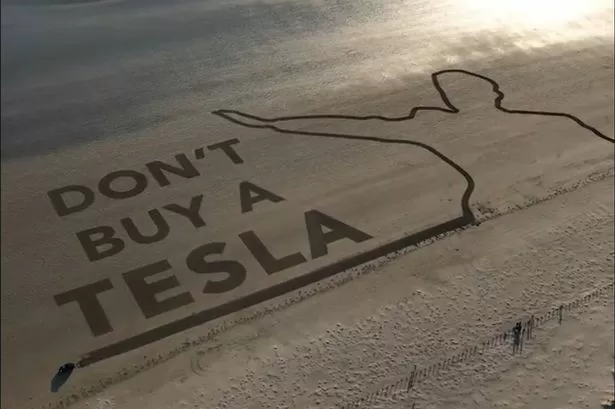
The recent protests against tech-billionaire turned political adviser, Peter Thiel, have sparked a heated debate among the public. Thiel, who co-founded PayPal and was an early investor in companies like Facebook and Airbnb, has been a controversial figure in the tech world for his unorthodox views and support of conservative causes. However, his involvement in politics has raised even more eyebrows, leading to a series of protests against him.
The latest protest against Thiel took place in San Francisco, where he was scheduled to speak at a technology conference. The protesters, made up of tech workers, activists, and concerned citizens, gathered outside the conference venue with signs and banners, calling for Thiel to be removed from his position as a political adviser. This protest is just one of many that have taken place in recent months, as Thiel’s influence in the political arena continues to grow.
Thiel’s rise to political prominence began in 2016 when he became one of the few prominent figures in Silicon Valley to openly support Donald Trump’s presidential campaign. This move was met with backlash from the tech community, which is known for its liberal leanings. Thiel’s support for Trump was seen as a betrayal by many, and it sparked a wave of protests and boycotts against his companies.
However, Thiel’s involvement in politics did not end with Trump’s election. He has since become a close adviser to the president, using his influence to shape policies and decisions. This has only fueled the anger and frustration of those who oppose Thiel’s views and actions.
One of the main reasons for the protests against Thiel is his stance on issues such as immigration and LGBTQ rights. Thiel has been a vocal supporter of stricter immigration policies and has also been critical of the LGBTQ community, causing concern among many who see him as a threat to their rights and values.
But it’s not just his political views that have sparked outrage. Thiel’s business practices have also come under scrutiny. His company, Palantir, has been accused of aiding in the surveillance of immigrants and has faced criticism for its involvement with government agencies like ICE. This has led to calls for a boycott of Thiel’s companies and for him to be removed from his position as a political adviser.
The protests against Thiel have not gone unnoticed. They have caught the attention of the media and have sparked a national conversation about the role of tech billionaires in politics. Many argue that Thiel’s wealth and influence give him too much power and that he should not be allowed to use it to push his own agenda.
On the other hand, Thiel’s supporters argue that he has every right to be involved in politics and that his success in the tech industry should not be held against him. They also point out that Thiel’s views are not representative of the entire tech community and that he should not be judged solely on his political beliefs.
Despite the controversy surrounding Thiel, one thing is clear – his involvement in politics has sparked a much-needed conversation about the role of tech billionaires in shaping our society. It has also highlighted the need for transparency and accountability in the political process.
In the end, whether you support or oppose Thiel, one thing is certain – his actions have had a significant impact on our society. The protests against him are a testament to the power of the people to speak out against injustice and to hold those in positions of power accountable. And as long as there are individuals like Thiel who use their wealth and influence to push their own agendas, it is up to us to continue to raise our voices and fight for what we believe in.