
India has been experiencing rapid economic growth in recent years, with a projected GDP growth rate of 7.5% in 2019. This growth has been largely driven by the country’s booming technology sector, which has seen the rise of numerous successful startups and the emergence of India as a global leader in the IT industry. However, despite this impressive growth, there are still several challenges that need to be addressed in order to sustain and further accelerate India’s economic progress.
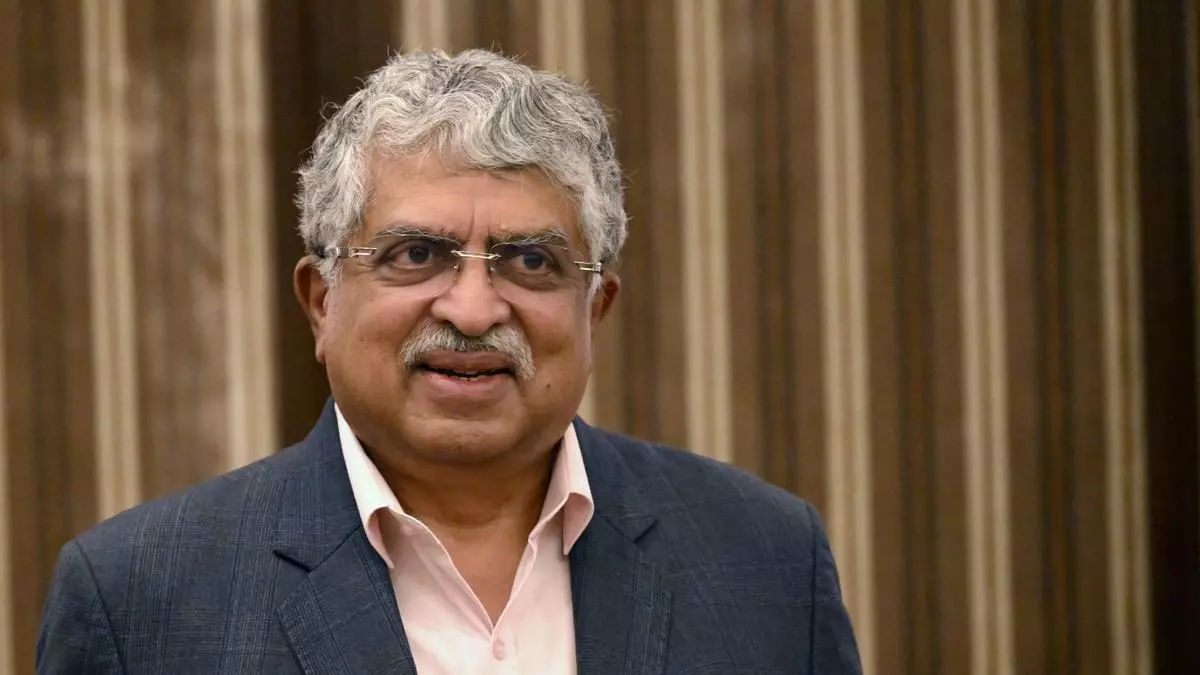
One of the key figures in India’s technology sector, Nandan Nilekani, recently highlighted some of these challenges in a speech at the Indian Institute of Management in Bangalore. Nilekani, who is the co-founder of Infosys and the former chairman of the Unique Identification Authority of India, pointed out that while India’s economic growth has been impressive, there are still several factors that are hindering its full potential.
One of the major challenges that Nilekani highlighted is the issue of income disparity. Despite the overall economic growth, there is still a significant income gap between the rich and the poor in India. This disparity not only creates social and economic inequalities, but it also hinders the country’s overall growth. The lack of equal opportunities for all segments of society means that a large portion of the population is unable to fully participate in the economy, which ultimately affects the country’s overall productivity and growth.
Another challenge that Nilekani mentioned is the lack of organization in various sectors of the economy. This is particularly evident in the agriculture sector, which employs a large portion of the Indian population. The lack of organization and modernization in this sector leads to low productivity and inefficiency, which in turn affects the country’s overall economic growth. Nilekani stressed the need for better organization and modernization in this sector in order to fully harness its potential and contribute to the country’s economic growth.
Low productivity is another challenge that Nilekani highlighted. Despite the rapid growth of the technology sector, the overall productivity in India is still relatively low compared to other countries. This is due to various factors such as inadequate infrastructure, lack of skilled labor, and bureaucratic hurdles. In order to sustain and accelerate its economic growth, India needs to address these issues and improve its productivity levels.
Limited market access is also a major challenge that Nilekani pointed out. While India has a large domestic market, it still faces barriers when it comes to accessing global markets. This is due to various factors such as trade barriers, lack of infrastructure, and bureaucratic hurdles. In order to fully capitalize on its economic potential, India needs to address these issues and improve its market access.
In addition to these challenges, Nilekani also highlighted the need for better education and skill development in order to meet the demands of a rapidly evolving economy. He stressed the importance of investing in human capital and providing quality education and training to the youth in order to equip them with the skills needed to succeed in the modern economy.
Despite these challenges, Nilekani remains optimistic about India’s economic growth and believes that these issues can be addressed with the right policies and initiatives. He highlighted the government’s efforts in promoting initiatives such as Digital India and Skill India, which aim to bridge the gap between the rich and the poor and improve the overall productivity and market access in the country.
In conclusion, India’s economic growth has been impressive in recent years, but there are still several challenges that need to be addressed in order to sustain and accelerate this growth. Income disparity, lack of organization, low productivity, and limited market access are some of the key challenges that need to be tackled in order to fully harness India’s economic potential. With the right policies and initiatives, India can overcome these challenges and continue on its path of rapid economic growth. As Nilekani rightly pointed out, “India’s potential is limitless, and with the right approach, we can overcome any challenge and achieve our full potential.”